
Reducing Property Sale Fall Through Rates (Complete 2026 Guide)
05 MAY 2026
By Jon McConkey, CRO at Before You Buy. With 22+ years in real estate and related property technology industries, Jon specialises in helping buyers and agents reduce transaction risk. He's passionate about streamlining process and turning complex due diligence into clear, practical action steps.
Quick Answer: How to Reduce Property Sale Fall Through Rates
Reducing property sale fall-through rates before property exchange requires proactive due diligence before contracts are signed. The most effective strategies include pre-listing building and pest inspection reports, verifying finance pre-approval, reviewing contracts for risky clauses, confirming title and compliance issues early, and maintaining structured communication between buyer, seller, and agent. When inspection and contract reviews are completed within a 2–4 day window, transaction certainty increases significantly.
Summary
- Most fall-throughs happen due to finance failure, low valuations, inspection issues, or documentation gaps.
- Pre-sale inspections reduce surprise defects that trigger renegotiation or cause buyers to get cold feet.
- Clear contract review minimises conditional withdrawal risk.
- Proper buyer vetting protects agent commission and exchange timelines.
- Structured due diligence reduces emotional and financial collapse triggers.
What Is a Property Sale Fall Through?

Understanding why property sales collapse is the first step toward preventing them. For real estate agents operating in today's Australian property market, awareness of these risk points is essential to protecting every transaction.
Finance & Valuation Failures
Finance failure remains the leading cause of sale collapse in Australian property sales. Even buyers who appear well-qualified can encounter problems that derail a deal:
- Loan rejection after conditional approval
- Bank valuation lower than the agreed purchase price
- Changes in interest rates affecting borrowing capacity mid-transaction
- Buyers failing to sell their own home within the required timeframe
The Reserve Bank's ongoing rate decisions have made this risk more pronounced in recent years. According to the Australian Securities and Investments Commission (ASIC), finance pre-approval is not a guarantee of final loan approval — lenders can reassess an application if the property valuation comes in low, the buyer's financial position changes, or lending criteria tighten between pre-approval and exchange. This means that a buyer who appears financially secure at the offer stage may be unable to complete the transaction by the time contracts are ready to exchange.
Even buyers with savings and a strong employment history can find their mortgage application reassessed if the lender's valuation of the property comes in below the contract price. When this happens, the purchaser may be unable to bridge the gap, and the deal collapses before exchange. This is a situation the right real estate agent can anticipate — and prevent — with the right process in place.
Building, Pest & Compliance Issues
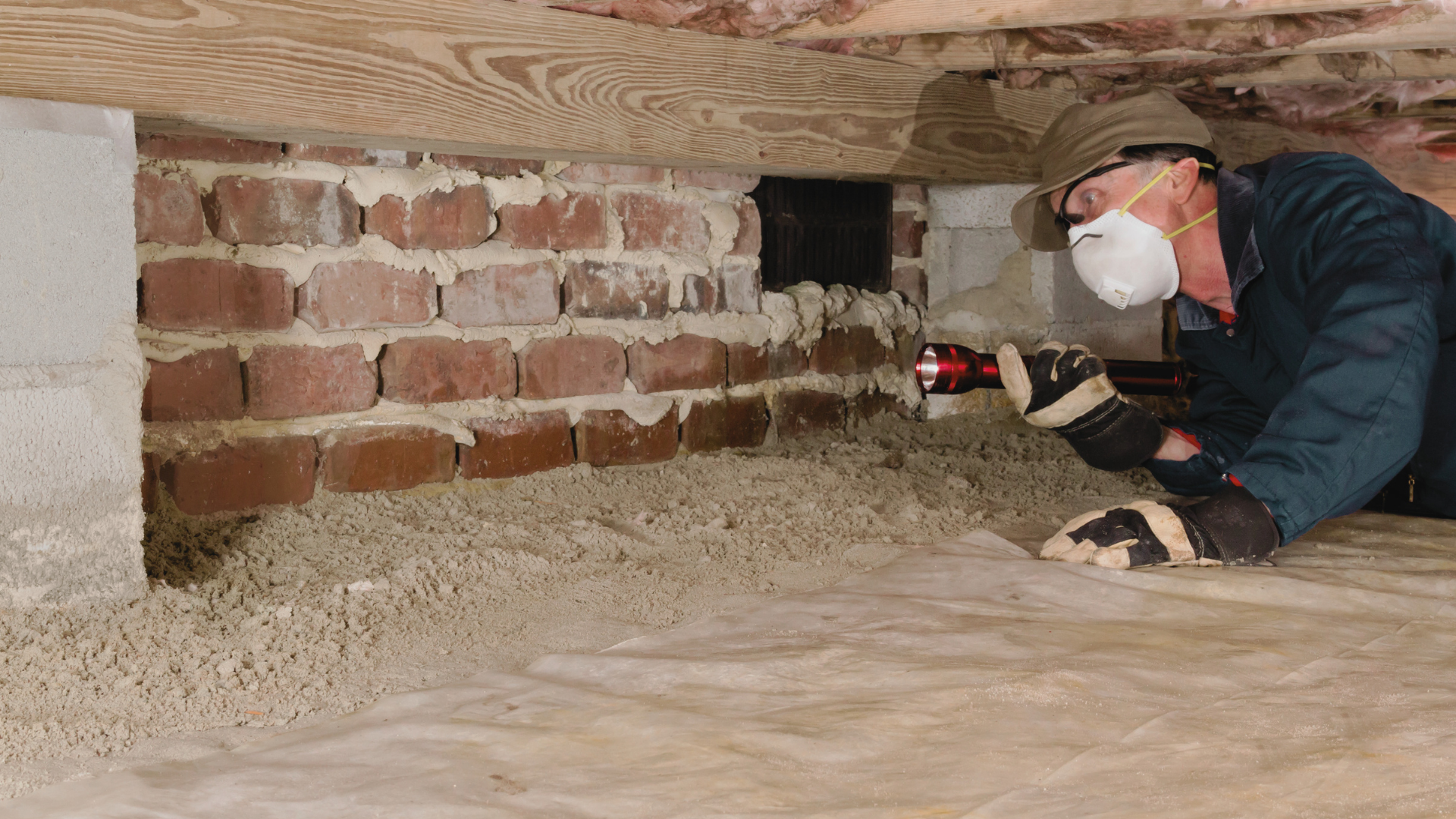
Inspection-triggered renegotiation is one of the most preventable causes of property sale fall-throughs. When buyers discover structural defects or compliance failures late in the process, emotional investment has already peaked — making renegotiation more difficult and withdrawal more likely. Common triggers include:
- Structural defects discovered during inspection
- Active termite damage
- Unapproved renovations
- Pool compliance failures
- Strata defects in common property
Pre-arranged independent building and pest inspections — completed within a 2–4 day window prior to the commencement of the sales campaign— surface defects early, before serious buyers have emotionally committed at a price that may no longer reflect the property's condition. This approach benefits agents, sellers, and buyers alike, removing uncertainty from the process and making it far easier for all parties to have informed conversations about price and repairs.
Contract & Legal Gaps
Unclear contract terms create unnecessary exit pathways for buyers who might otherwise proceed. Proper conveyancing and an experienced agent working with legal support can identify and address these risk points before they derail a transaction:
- Ambiguous special conditions
- Overly broad finance clauses
- Title discrepancies
- Missing or incomplete documentation
- Delays in conveyancing
The majority of contract-related collapses are avoidable. Early contract review ensures documentation accuracy and removes the ambiguity that allows hesitant buyers to walk away on a technicality. Agents who make this part of their standard process are not just protecting their own commission — they are providing genuinely better service to vendors.
The Pre-Contract Risk Reduction Framework

Experienced agents who consistently achieve successful exchanges have one thing in common: a structured process for managing risk before contracts are signed. The following framework gives agents and sellers a practical, step-by-step approach to reducing fall-through rates across every transaction.
Step 1 – Verify Buyer Financial Strength
Before accepting an offer, take the time to verify the financial position of potential buyers. A verbal commitment or broker estimate is not enough — agents should confirm:
- Formal loan pre-approval from an approved lender (not just a broker estimate)
- Confirmed deposit availability — typically 10% of the purchase price
- Validated sale contingency, if the buyer is selling their own home
- Clear finance clause deadlines written into the contract
This step alone can make a significant difference to exchange certainty. Buyers who cannot demonstrate genuine financial approval are a fall-through risk regardless of how serious they appear. Agents who ask the right questions early save everyone time, money, and stress.
Step 2 – Complete Pre-Sale Inspections (2–4 Days)
This is where Before You Buy's services for sales agents deliver a tangible advantage for agents and vendors. Arranging independent inspections before listing — or at minimum before serious buyers sign contracts — removes the single biggest source of last-minute renegotiation.
- Arrange an independent building and pest inspection
- Review strata records if applicable
- Confirm pool compliance where relevant
- Provide completed reports upfront to serious buyers
Inspections completed within a 2–4 day turnaround give agents and vendors time to address issues, adjust pricing expectations, or make targeted repairs before negotiations begin. When buyers receive a an independent, professionally prepared inspection report from the outset, confidence increases and the deal is far more likely to reach exchange.
This proactive approach shifts the conversation entirely — from "the buyer found something and wants to renegotiate" to "we already know the property's condition and have priced accordingly." That is a fundamentally stronger position for every party.
Step 3 – Conduct Early Contract Review
Contract review is a risk management step that experienced agents treat as non-negotiable. Before contracts are signed, agents should work with their conveyancer or solicitor to:
- Review all special conditions
- Confirm exchange timelines are realistic
- Clarify inclusions and exclusions
- Verify title search results
- Remove or tighten ambiguous withdrawal clauses
When buyers sign a contract they fully understand, with conditions they can realistically meet, fall-through risk drops significantly. The cost of an early contract review is a fraction of the cost of a collapsed deal.
Step 4 – Maintain Structured Communication
Communication breakdown is an underestimated fall-through trigger. Agents who maintain structured, proactive communication throughout the transaction protect deals that might otherwise collapse. Those looking to boost real estate sales outcomes consistently point to communication discipline as a key differentiator:
- Weekly progress updates for all parties
- Finance milestone confirmations at each deadline
- Inspection deadline tracking
- Transparent issue resolution as soon as problems are identified
Buyers who feel informed and supported are buyers who proceed. Sellers who receive regular updates from their agent are sellers who remain confident the process is being managed professionally.
Technical Risk Analysis Across the Sales Process
The following table maps the primary fall-through risk at each stage of a typical Australian property transaction, alongside the most effective prevention action.
|
Stage |
Primary Risk |
Prevention Action |
|---|---|---|
|
Offer |
Overpricing / Low valuation |
Market-aligned pricing strategy |
|
Contract Signing |
Broad finance clauses |
Tightened conditional deadlines |
|
Inspection |
Structural defects |
Pre-sale building & pest report |
|
Finance Approval |
Loan rejection |
Formal pre-approval verification |
|
Pre-Exchange |
Title or compliance issue |
Early title & documentation review |
Understanding this risk map allows agents to intervene at the right moment — before a problem becomes a collapse.
Pricing & Market Factors That Increase Fall-Through Risk

Market conditions play a significant role in fall-through rates, and agents who ignore broader economic signals are operating without the full picture.
Overpricing & Valuation Gaps
If a property is priced above comparable recent sales in the local market, lender valuations are unlikely to support the agreed contract price. ABS data on total value of dwellings illustrates how sharply property prices have moved across Australian markets, reinforcing why lender valuations and contract prices can diverge when vendor expectations outpace comparable sales evidence.
This creates a funding shortfall: the buyer is approved for a loan based on the lender's valuation, not the contract price, and must find the difference from their own savings — or walk away. The best solution is always an honest, data-driven pricing conversation with the vendor from the outset.
Interest Rate & Economic Conditions
Rising interest rates and tightening lending standards reduce borrowing capacity mid-transaction. Buyers who were comfortably approved at one rate may find themselves unable to afford the same loan following rate hikes. Housing affordability and residential property transfer data shows how transaction volumes respond to affordability constraints — a pattern agents need to factor into their assessment of buyer financial strength at any given point in the market cycle.
Local agents who stay across current lending conditions are better positioned to advise vendors on the financial profiles of potential buyers — and to identify purchasers whose approval may be vulnerable to rate movements.
Decision Framework – How to Protect Your Commission & Exchange Timeline

For Sellers
Property owners who want to protect their sale and minimise time on market should:
- Complete inspections before listing to remove uncertainty from negotiations
- Address known compliance gaps — unapproved structures, pool fencing, smoke alarms
- Price in line with comparable local sales to avoid valuation shortfalls
- Work with their agent to require serious buyer vetting before accepting offers
Ultimately, sellers who are proactive about due diligence are not just protecting their own interests — they are making their property more attractive to the qualified buyers who are most likely to complete the transaction.
For Agents
The right agent takes responsibility for managing transaction risk, not just managing the marketing campaign. Agents who want to protect their commission and deliver better outcomes for vendors should:
- Set structured milestone check-ins from offer to exchange
- Monitor finance clause deadlines and follow up proactively
- Encourage upfront due diligence as a standard part of every campaign
- Maintain transparent communication with buyers and sellers throughout
Effective real estate marketing is not just about attracting enquiry — it is about attracting qualified buyers who can actually complete the transaction. An experienced real estate agent who presents a pre-sale inspection report to potential buyers is not just being thorough — they are differentiating themselves from every other agent in the local market.
For Buyers
Buyers who want certainty and want to avoid paying for a deal that doesn't complete should:
- Secure full formal loan pre-approval before making offers
- Review contracts carefully before signing — with professional advice
- Budget for the possibility of a valuation gap
- Commission independent inspections early, or access inspection reports that have been done previously to get all the information in the negotiation
Frequently Asked Questions
What percentage of property sales fall through in Australia?
While exact national figures vary by state and market cycle, industry research suggests up to one in four property transactions may fail before exchange. Finance rejection and inspection findings are the leading causes. Agents and sellers who implement structured due diligence processes are significantly less exposed to this risk.
Why do buyers pull out after signing a contract?
Buyers most commonly withdraw due to finance clause protection, low valuation results, or adverse inspection findings. Conditional contracts legally allow withdrawal within specified timeframes when these conditions are not met.
Can a seller prevent a sale from falling through?
Yes. Sellers can reduce risk significantly by conducting pre-sale inspections, verifying buyer pre-approval, reviewing contracts early, and resolving compliance issues before listing. Proactive sellers who address known defects before going to market are in a much stronger negotiating position than those who leave buyers to discover issues during the campaign.
Does a building inspection cause most sale failures?
Inspections often reveal structural or pest issues that trigger renegotiation. However, when completed early — within a 2–4 day window — they reduce uncertainty rather than cause failure. An inspection completed before serious buyers are emotionally invested gives all parties the information they need to proceed with confidence.
How can agents protect their commission from fall-through risk?
Agents can protect commission by tightening finance deadlines, encouraging upfront due diligence, and maintaining consistent communication milestones throughout the transaction. Learn more about how Before You Buy supports agents in building a more structured, transparent sales process.
What happens if a sale falls through before Exchange?
The property typically returns to market. Time on market increases, buyer confidence drops, and renegotiation leverage may shift in favour of the next purchaser — who is now aware the property has already failed to sell once.
Do higher interest rates increase fall-through rates?
Yes. Rising rates can reduce borrowing capacity and trigger lender reassessment, increasing finance-related collapse risk. Agents operating in a rate-sensitive environment need to be particularly rigorous about verifying buyer financial strength before accepting offers.
Is a 10% deposit enough to prevent buyers withdrawing?
A deposit signals commitment but does not override conditional clauses. Strong due diligence and finance verification are more effective risk controls than deposit size alone.
Protect Your Sale with Independent Due Diligence
Reducing property sale fall through rates is not a matter of luck — it is a matter of process. Before You Buy is the trusted partner for real estate agencies, providing essential property intelligence that enables agencies to differentiate themselves in the market.
For agency owners and principals, BYB enhances your team's ability to protect clients from costly mistakes, streamline campaigns, and improve sales outcomes — all through faster, more reliable due diligence processes that boost buyer confidence. In a market where the difference between a settled deal and a collapsed one often comes down to what was known, and when, having the right intelligence at the right time is everything.
Before You Buy provides:
- Independent building & pest inspections
- Strata reports
- Contract review services
- Pool compliance inspections
- Fast 2–4 day turnaround across NSW, VIC, QLD and SA
Structured due diligence empowers buyers, protects sellers, and gives agents the certainty that their deal will reach exchange.
Try BYB for Agents — it's free